How to Refuse “One More Round” Without Debating
Learn how to refuse one more round at a casino with clear, low-drama phrases that protect your choice without turning the moment into a debate.
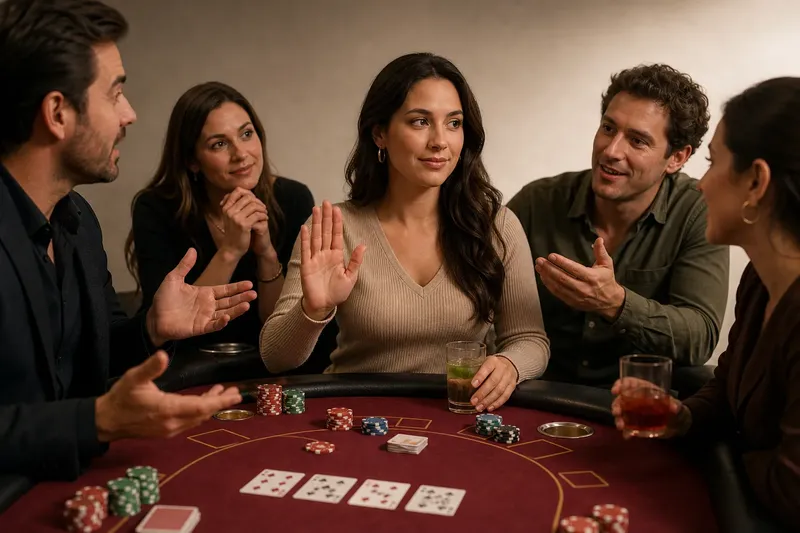
“One more round” can turn a private choice into a group demand in seconds. If you want to refuse one more round at a casino, a short, settled sentence is usually clearer than explaining your reasoning to everyone at the table.
The pressure may sound friendly: a joke, a cheer, or someone insisting the group is just getting started. But your decision is yours, even when the people around you are having fun. You do not need to convince them that stopping is the right call.
Why Does “One More Round” Feel Hard to Refuse?
Group momentum makes a pause feel more conspicuous than joining in. When others are excited, declining can seem like rejecting the company, not just the next game. That feeling can make a simple “no” seem to need a defense.
There may also be an unspoken bet that the next outcome will be better. A companion might point to a recent win, a near miss, or a streak as a reason to continue. None of that changes who gets to decide whether you play.
Separate the social choice from the gambling choice. You can enjoy your companions and still decline another round.
What Can I Say to Decline?
Use a brief phrase that states your decision, then let it stand. A calm tone and a clear subject—your own choice—help keep the answer from sounding like an invitation to negotiate.
- “I’m done playing for now.”
- “No more rounds for me. I’m staying here with you.”
- “I’m sitting this one out.”
- “I’ve decided to stop. Please don’t ask me again tonight.”
- “You go ahead; I’m stepping away from the game.”
Choose wording that sounds natural in your voice. If you want to stay with the group, say so directly; if you would rather leave the table, say that instead.
Should I Explain My Decision?
You can give a reason, but you do not owe one. A long explanation may give a persistent companion more details to challenge, especially if they turn each reason into a proposed solution.
For instance, “I’m stopping because I don’t want to play more” is complete. “I’d stop, but I’m tired” can prompt someone to suggest a break and another round afterward. You can be courteous without opening a discussion.
If you do share a reason, keep it short and avoid presenting it as something the group can fix.
What If Friends Keep Pressuring Me?
Repeat your answer once, then change the interaction rather than arguing about what might happen next. If a friend says the next round could be lucky, you might reply, “Maybe, but I’m still done.” The outcome is not the point; your choice is.
Say you are with a group that cheers you to continue after you have already declined. You could say, “I said I’m finished. I’m joining you at the café,” then move to that agreed meeting spot. The observable result you are aiming for is a clear boundary and a change of setting, not agreement about whether stopping was wise.
If someone keeps pushing, ask a trusted companion to back your decision or leave the game area. You do not have to stay in a conversation that treats your answer as a challenge.
How Can I Keep the Evening Social?
Offer a specific alternative if you want company without another round. Suggest sitting together, getting a nonalcoholic drink, watching a show, or heading to a quieter area. An alternative can make your intention clear: you are declining the game, not necessarily the group.
Do not make an alternative you do not want just to soften your refusal. “I’m going to take a break on my own” is enough. A companion’s disappointment does not create an obligation to keep playing.
What If I Already Said Yes?
You can change your mind before play begins. Say, “I’ve reconsidered; I’m not joining this round.” You do not need to follow through just because you agreed while feeling caught up in the moment.
If you have already begun, decide whether you want to finish the current game or stop as soon as practical, then state that choice plainly. Avoid making your next decision depend on winning back losses or proving anything to the group.
When Should I Get Support?
If refusing feels unusually difficult, or you find yourself continuing despite wanting to stop, step away from the gambling area and contact someone you trust. A casino’s responsible-gambling staff or a qualified counselor can explain support options; a trusted person can also help you stick to a decision you have made.
For immediate distress, prioritize getting to a calmer place and reaching someone who can support you. You do not need to wait for a crisis before asking for help.
When “one more round” comes up, keep the answer anchored to your choice: “I’m done playing.” That simple line can protect your boundary without turning a social moment into a debate about luck, loyalty, or what might happen next.