The Plan for Leaving That Does Not Depend on a Clock
A casino departure cue gives companions a clear, agreed moment to pause and decide whether to leave, without waiting for a clock or a crisis.

A casino departure cue gives companions a shared moment to stop and decide whether the visit is over. Agree on one before entering, and no one has to invent a reason to leave while feeling rushed or distracted.
The cue is not a timer or a signal that something has gone wrong. It is a prompt to pause, check in, and make a clear decision. The useful part is knowing what happens when it arrives.
Choose a clear cue
Pick a cue that everyone can recognize without watching the clock. It might be finishing a meal, completing a planned activity, or a companion saying, “I’m ready to go.” Make it concrete enough that nobody has to guess whether it has happened.
Keep the cue separate from anyone’s willingness to leave. A person can ask to go without proving they are tired, upset, or out of money. Their request is enough to start the check-in.
- A planned pause: If the group agrees to stop for a drink, then use that pause to decide whether to continue; otherwise, choose a different shared moment.
- A completed activity: If everyone finishes dinner or a show, then pause there; if plans change, let anyone call the check-in sooner.
- A personal signal: If a companion says, “Let’s check in,” then stop and talk; if that phrase feels awkward, choose another ordinary phrase together.
- A direct request: If anyone says they want to leave, then begin the departure conversation; if the group’s plans differ, use the arrangement agreed before entering.
- A change in comfort: If someone feels uncomfortable, then pause and ask what they need; if they prefer not to explain in public, move to a quieter place or leave.
- A change in the visit: If the group’s shared plan is complete, then reassess whether to stay; if there is no clear stopping point, rely on the agreed personal signal.
Avoid cues that only one person can notice or that require someone to share private details in public. Make the signal easy to say and easy for the group to honor.
Set the next move
Before entering, agree on what the cue triggers. For instance, the group might stop the activity, move to a quieter place, and let each person say whether they want to leave. Decide whether everyone leaves together or whether companions can make separate choices.
Keep this agreement focused on the departure decision rather than a detailed itinerary. If the group does not want to continue together, each person should have a clear, safe way to leave. Follow venue rules and use common sense about transportation; if anyone is unsure about a safe ride, resolve that before separating.
Imagine you and two friends agree that finishing dinner will trigger a check-in. Dinner ends, and one friend says they want to leave. You pause the activity, ask whether the others are leaving too, and hear that they would prefer to stay. The group follows its earlier agreement: the friend leaves with the ride they arranged, while the others continue. The observable result is a clear choice without pressure to stay or an argument about whether the cue “counts.”
Say the plan plainly
Make the agreement aloud before entering. Try: “When dinner ends, let’s pause and each say whether we want to stay or go. Anyone can ask for that check-in sooner.” The wording gives the group a planned moment without making it a rule to stay until then.
Ask each companion to confirm they understand what the cue means. Keep the conversation brief and specific; a shared sentence is more useful than a vague promise to see how things go.
When should the cue be used?
What if one person wants to leave?
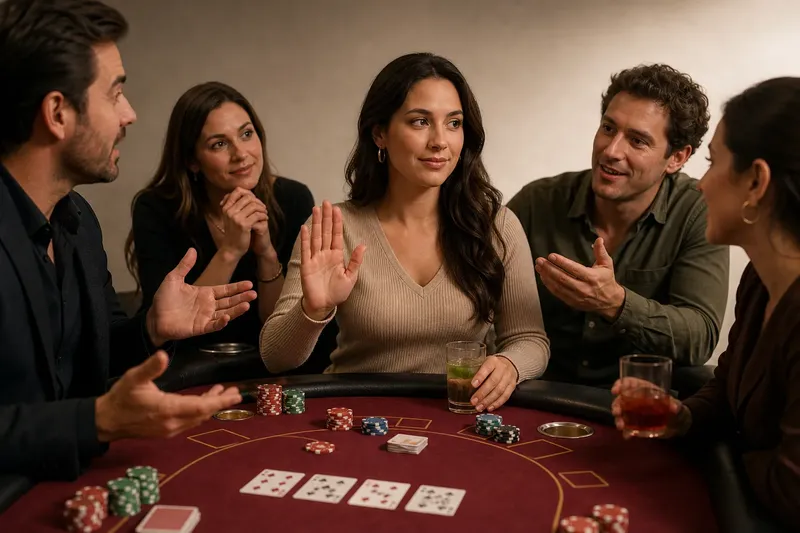
Use that request as a reason to pause, not as a demand that needs defending. Follow the group’s earlier agreement about leaving together or making separate choices.
What if nobody notices the cue?
Say it directly: “We agreed to check in after dinner.” Then stop the activity and give everyone a chance to answer.
Can someone call the cue early?
Yes. A planned cue sets a check-in point; it does not require anyone to stay until then. If someone wants to stop sooner, begin the departure conversation.
What if the group disagrees?
Return to the arrangement made before entering. If it does not cover the situation, avoid pressuring anyone to continue and make sure each person can leave safely.
Leave at the pause
When the cue arrives, stop the activity before discussing another round or another stop. State the decision plainly. If the group is leaving, take the agreed next action rather than letting the departure turn into another open-ended debate.
If one person wants to stay and another wants to go, use the agreement you made before entering. A casino departure cue works best when everyone can call it, the response is understood, and nobody has to wait for a clock to make leaving feel legitimate. Keep the signal simple enough to remember, and the choice easier to make.